THCA vs. THC: What's the Actual Difference?
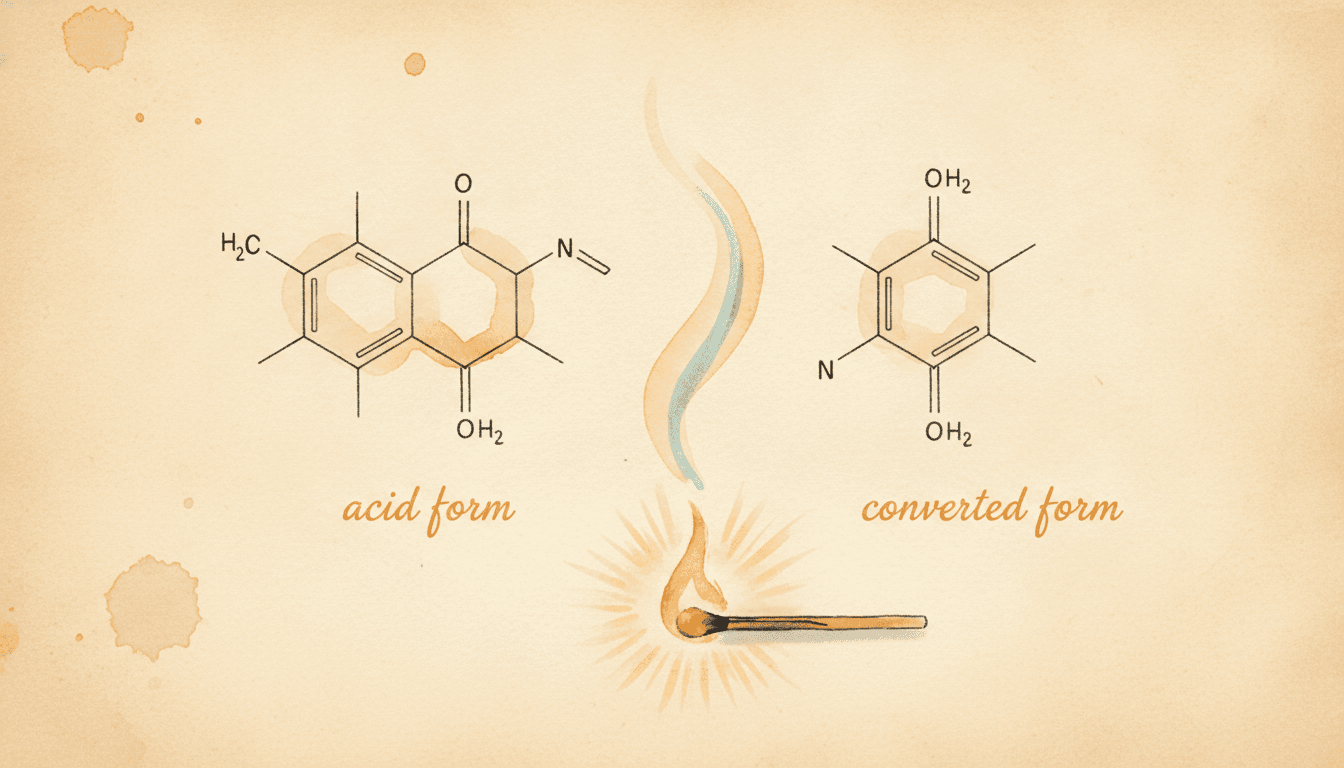
The Number on the Jar Isn't the Number You'll Feel
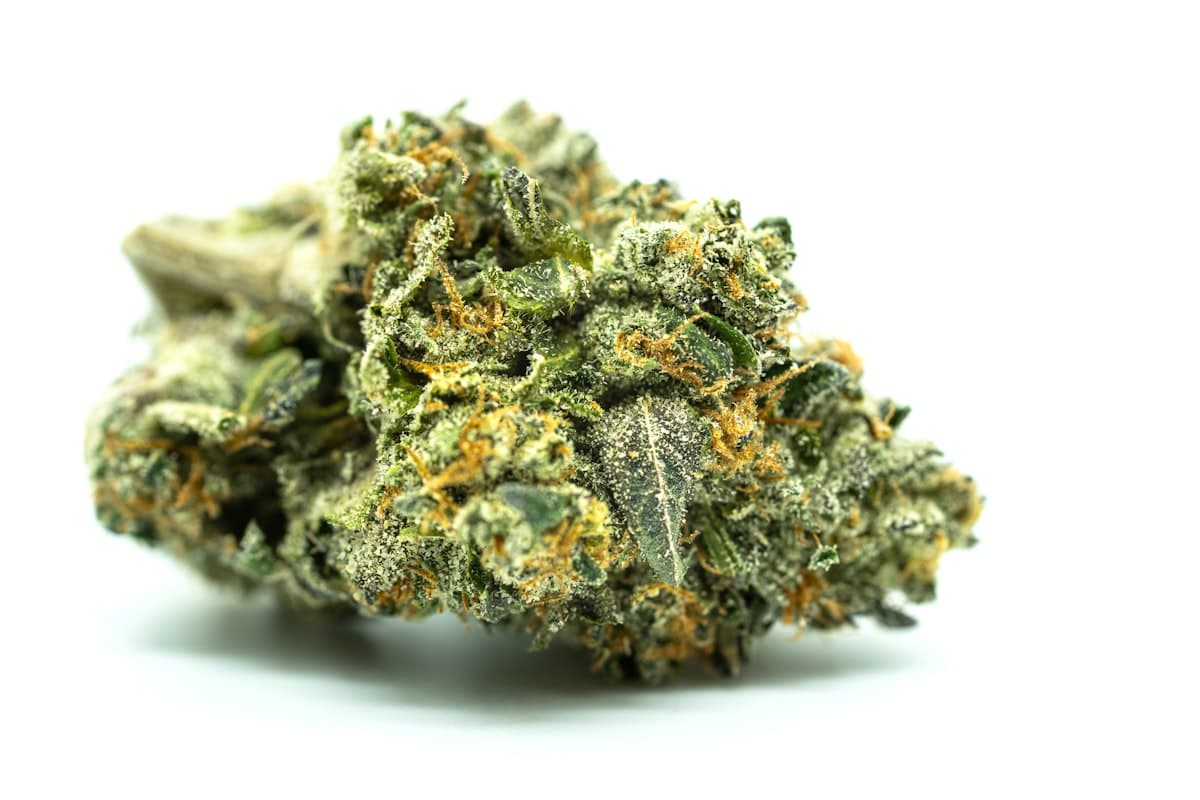
Pick up a jar of cannabis flower with a label boasting 34% THCA, and it's reasonable to assume you're about to feel a 34%-THC high. You're not, not exactly, and the gap between what's printed and what actually happens in your body is the entire THCA-versus-THC question.
I'm Nick. I spend a lot of time staring at certificates of analysis (COAs), and the THCA line is the one that generates the most confused questions at trade shows. People assume it's just another way of writing THC. It isn't. The difference is a single chemical group, but it changes what the compound does entirely, and it's also become the center of a real legal loophole that's worth understanding if you're buying anything labeled "high THCA."
What Is THCA?
THCA (tetrahydrocannabinolic acid) is the raw, non-intoxicating cannabinoid that cannabis plants naturally produce as they grow, and it only becomes THC, the compound that actually gets you high, when it's heated. Living cannabis plants don't make THC directly. They make THCA, and lots of it. The THC you associate with getting high is a downstream product of heat, not something sitting in the plant waiting to be extracted.
That's the whole distinction in one sentence. Everything else in this article is either the chemistry behind it or the practical consequences of people not knowing it.
THCA vs. THC: The Important Distinction
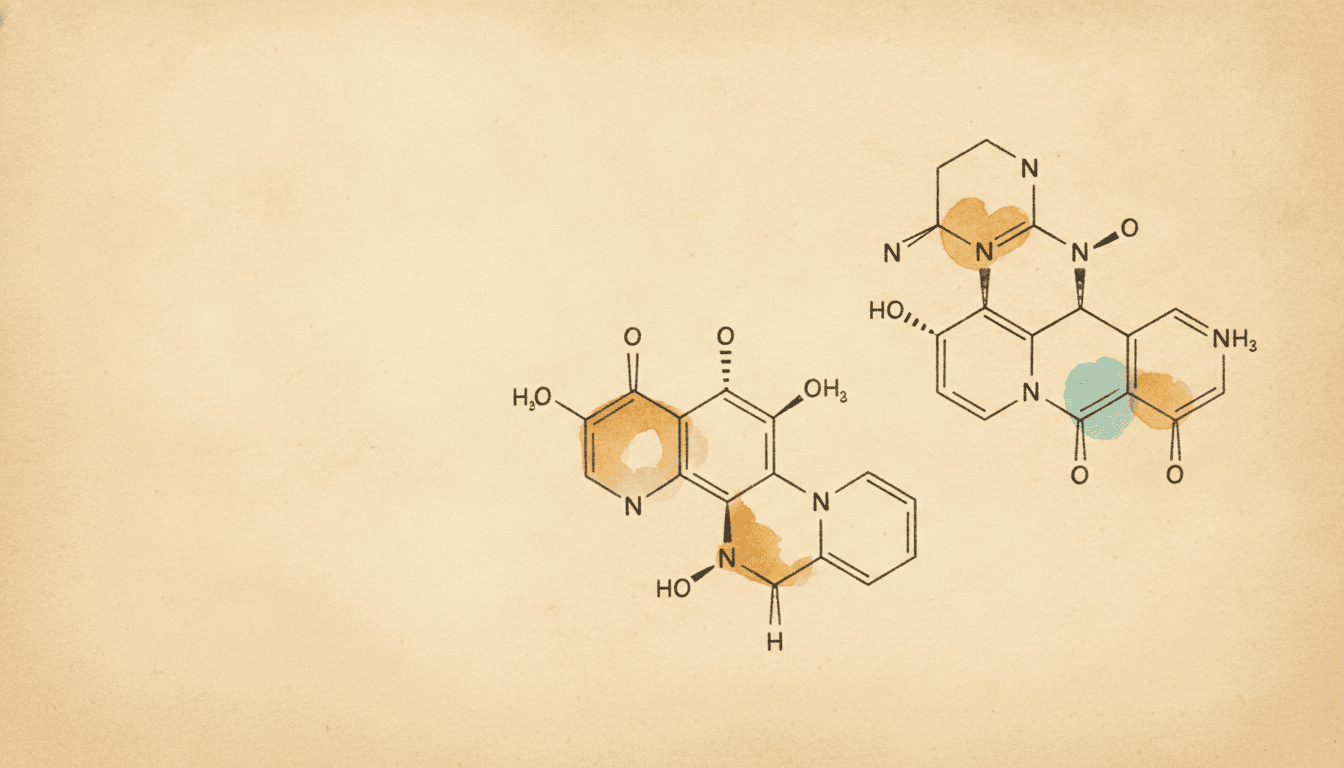
THCA and THC are structurally almost identical, with one difference: THCA carries an extra carboxyl group (a COOH molecule) attached to its structure that THC doesn't have.
That carboxyl group is the reason THCA doesn't bind efficiently to the CB1 receptors in your brain that produce a high. THC's molecular shape fits those receptors. THCA's doesn't, not well, at least not until heat breaks that extra group off.
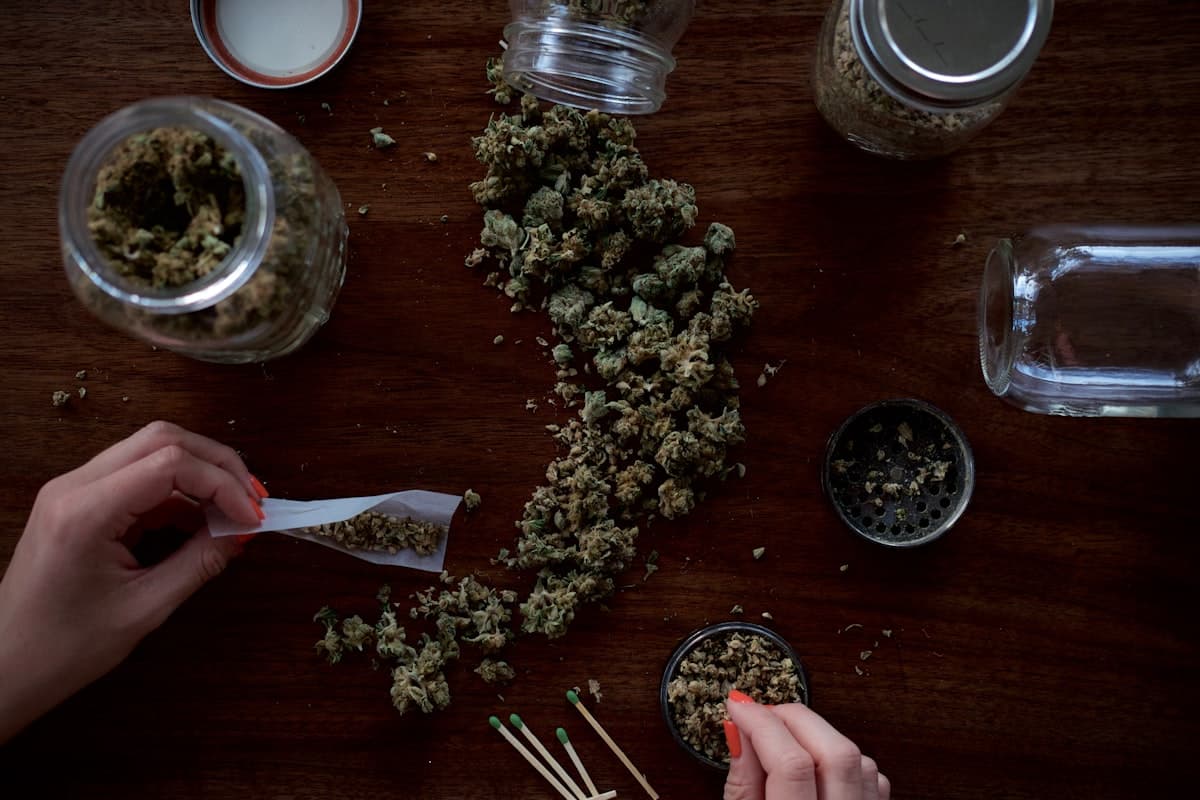
Decarboxylation is the name for that heat reaction, "decarb" for short. Smoking, vaping, dabbing, and baking cannabis into edibles all apply enough heat to strip the carboxyl group off THCA, releasing it as carbon dioxide and water vapor, and what's left behind is THC. Raw cannabis flower, eaten straight off the plant with no heat applied, would get you barely high at all despite a COA showing a big THCA number. That's not a hypothetical. It's the actual reason raw cannabis juice and unheated cannabis leaves are a real (if niche) wellness trend among people who specifically don't want the psychoactive effect.
Why COAs List Both THCA and Total THC
If you've ever read a certificate of analysis and seen both a "THCA" line and a "Total THC" line and wondered why there are two potency numbers, this is why.
THCA is measured directly, it's whatever percentage of that raw cannabinoid is actually in the flower or oil before anything happens to it. Total THC is a calculated estimate of what you'll get once that product is heated, and the formula is straightforward: Total THC = THC + (THCA × 0.877).
That 0.877 isn't an arbitrary rounding number. It comes directly from the molecular weights involved. THCA weighs about 358 grams per mole; THC weighs about 314. Divide 314 by 358 and you get roughly 0.877, the exact fraction of THCA's mass that survives decarboxylation once the carboxyl group breaks off as CO₂ and water vapor. A jar showing 30% THCA and 0% THC has a Total THC of about 26.3%, not 30%. That gap is real chemistry, not a rounding trick, and our guide to reading a COA walks through the rest of the math on a lab report.
Total THC is the number that actually predicts your experience. Raw THCA percentage, on its own, tells you what the plant made, not what you'll feel.
Is THCA Stronger Than THC?
This is the exact question driving a lot of the search traffic around this topic, and the honest answer is that the comparison doesn't quite make sense the way people ask it.
THCA alone isn't intoxicating, so it can't be "stronger" than THC in the way people mean when they ask that. What's actually being compared is potency after heating, meaning Total THC. And there, a flower or product marketed heavily on its THCA percentage can be misleading in the other direction: a "38% THCA" flower sounds more potent than a "32% Total THC" vape cart, but run the math and that 38% THCA flower nets out to roughly 33.3% Total THC after conversion, which is a smaller real gap than the raw numbers suggest.
None of this means THCA-forward products are weaker or worse. It means the raw THCA percentage by itself is a marketing number more than an experience number, and Total THC is the one worth comparing across products.
The THCA Loophole: Why "Hemp" Flower Can Get You High
Here's where the chemistry runs directly into federal law, and it's worth understanding regardless of which state you're in.
The 2018 Farm Bill defines legal hemp as cannabis containing 0.3% or less delta-9 THC by dry weight, as we've covered in our cannabis vs. hemp guide. Read literally, that threshold only counts delta-9 THC. It says nothing about THCA. That's the loophole: a flower can be grown to be extremely high in THCA (which converts to plenty of THC the moment you smoke it) while testing under 0.3% delta-9 THC before it's ever heated, and under a narrow reading of the statute, that flower is legally "hemp." It can then be sold online, shipped across state lines, and sold in gas stations and smoke shops with none of the licensing or testing requirements a state-regulated dispensary has to meet.
The consumer experience of smoking that "hemp" flower is functionally identical to smoking cannabis flower from a licensed dispensary, because it becomes the same molecule, THC, the second you light it. The difference isn't in your body. It's in the paperwork, the testing rigor, and who's allowed to sell it to you. Some interstate hemp sellers test carefully and disclose real Total THC numbers. Plenty don't, which is a meaningfully bigger unknown than anything you'd encounter buying from a licensed dispensary with a mandatory, published COA. The same gap gets used for delta-8 THC, a different cannabinoid sold through the identical loophole.
What to Actually Look For on a Label
- Total THC, not just THCA. If a label only shows THCA with no Total THC calculation, do the math yourself: multiply the THCA percentage by 0.877 and add any listed THC.
- A batch-specific COA you can verify. Licensed dispensary products link a QR code or lot number to a real lab report. If a "hemp flower" seller can't produce one, that's the actual risk, not the THCA-versus-THC label itself.
- Full cannabinoid and pesticide panel, not just potency. A THCA number tells you about potency. It tells you nothing about pesticides, heavy metals, or residual solvents, which is a separate and arguably more important part of a COA.
- Where it's actually sold. Licensed dispensary products in California, Washington, and New York go through mandatory state testing. Products sold as "hemp" online or in unlicensed stores may or may not, regardless of how professional the label looks.
What We Do at Halara
Every Halara product, from our high-THC AIOs to our Resin Sauce and solventless rosin cartridges, is sold through licensed dispensaries in California, Washington, and New York and comes with a batch-specific COA that reports both raw cannabinoid percentages and calculated Total THC, not just one flattering number. We're a California vape brand built around smooth, high-THC all-in-one vapes with anti-clog hardware, and part of what "smooth" means to us is not making you do the math yourself to know what you're actually buying.
If you want to check any batch before you buy, every COA is published and searchable.
Frequently Asked Questions
What is THCA?
THCA (tetrahydrocannabinolic acid) is the raw, acidic cannabinoid that cannabis plants actually produce as they grow. It's not intoxicating on its own. It only converts into THC, the compound that gets you high, when it's exposed to heat, through smoking, vaping, or cooking.
Is THCA the same as THC?
No. They're chemically distinct, though closely related. THCA has an extra carboxyl group (COOH) attached that THC doesn't. That single group is the difference between a non-intoxicating compound sitting in raw flower and the psychoactive compound you get once it's heated and that group breaks off.
Is THCA legal?
It depends on jurisdiction and how it's sold. In licensed cannabis states, THCA-rich flower is regulated and tested like any other cannabis product. Separately, a federal loophole lets some sellers market high-THCA, low-delta-9 flower as "hemp" online and in non-dispensary stores, since the original 2018 Farm Bill's 0.3% threshold was written around delta-9 THC specifically, not Total THC. That flower gets you just as high once you smoke it. Legal categorization and actual effect are two different questions.
Does THCA get you high?
Not by itself. THCA has to be decarboxylated (heated) to convert into THC before it produces an intoxicating effect. Raw cannabis flower, if you ate it unheated, would deliver very little of a high despite a lab report showing a large THCA number. Smoking, vaping, or cooking it converts that THCA into THC, which is what actually gets you high.
Why does my COA show both THCA and Total THC?
THCA is what the plant contains before it's heated. Total THC is the number that estimates what you'll actually get once it is heated, calculated as THC plus THCA times 0.877 (the conversion factor that accounts for the mass lost when the acid group breaks off during decarboxylation). Total THC is the more useful number for judging real-world potency.
Is THCA stronger than THC?
Not in a way that matters practically, since THCA alone isn't intoxicating. The comparison people actually mean is potency after heating, and there a high THCA percentage on a raw flower label can look more impressive than it turns out to be, since roughly 13% of that number is lost as mass during conversion. A COA's Total THC line, not the raw THCA percentage, is the honest potency number.
Where can I buy tested THC products?
Halara's high-THC AIOs and Resin Sauce carts are sold through 300+ licensed dispensaries in California, Washington, and New York, with a batch-specific COA showing both THCA and Total THC for every product. Use our store locator to find one near you.
The Bottom Line
THCA and THC are one heat reaction apart, not two names for the same thing. THCA is what the plant grows. THC is what you actually feel, and it only exists in meaningful amounts after something (a lighter, a vape coil, an oven) applies heat. Total THC, the calculated number that accounts for that conversion, is the one worth comparing when you're judging real potency, whether you're looking at a dispensary vape cart or a bag of flower marketed hard on its THCA percentage. Buy from a source that publishes both numbers and you're not the one doing chemistry at the register.
Sources
- Confidence Analytics: Why 0.877? — licensed cannabis testing lab's explainer on the THCA-to-THC conversion factor and decarboxylation chemistry.
- How to Read a COA — our guide to the full lab report, including the Total THC calculation.
- Cannabis vs. Hemp — the legal line between hemp and cannabis, and where the delta-9-only threshold creates the THCA loophole.
- Types of Cannabis Concentrates — where THCA diamonds fit in the broader concentrate landscape.
- Halara Lab Results — batch-specific COAs for every Halara product.
Want more cannabis intel?
Join The Dealers Diary — weekly strain spotlights, industry news, and insider access.
Subscribe Free