Delta 8 vs. Delta 9: What's Actually Different
Same Letters, Very Different Supply Chain
Delta-8 and delta-9 sound like a rounding error, one number apart, probably close enough. They're chemically close. Everything else about how they reach you is not.
I'm Nick. When people ask me about delta-8, they usually think they're asking a potency question ("is it weaker"). The potency question has an answer, but it's not the important one. The important question is where the product in your hand actually came from and whether anyone checked what's in it, and that's where delta-8 and delta-9 stop being close cousins and start being two very different categories.
What Is Delta-9 THC?
Delta-9-tetrahydrocannabinol (delta-9 THC) is the primary intoxicating cannabinoid cannabis plants naturally produce in large quantities, and it's the THC that licensed dispensary products, flower, vapes, edibles, are built around. When anyone says "THC" without qualifying it, they mean delta-9. It's the compound cannabis breeding, cultivation, and extraction have been optimized around for decades, and it's what a state-licensed COA is testing for when it reports potency.
What Is Delta-8 THC?
Delta-8-tetrahydrocannabinol is a different cannabinoid, also intoxicating, also found in cannabis, but in genuinely trace amounts. A cannabis plant does produce some delta-8 naturally, just not nearly enough to make extracting it directly from flower commercially viable.
That's the detail that changes everything downstream. Because natural delta-8 yield is so low, nearly all commercial delta-8 THC is synthesized (technically isomerized) from hemp-derived CBD in a lab, using acids and solvents to rearrange the CBD molecule's structure into delta-8. It's not "extracted from hemp" in the way live resin is extracted from cannabis flower. It's manufactured through a chemical reaction, and the quality and safety of that reaction depends entirely on who's running it and how carefully.
The Molecular Difference (It's Smaller Than You'd Think)
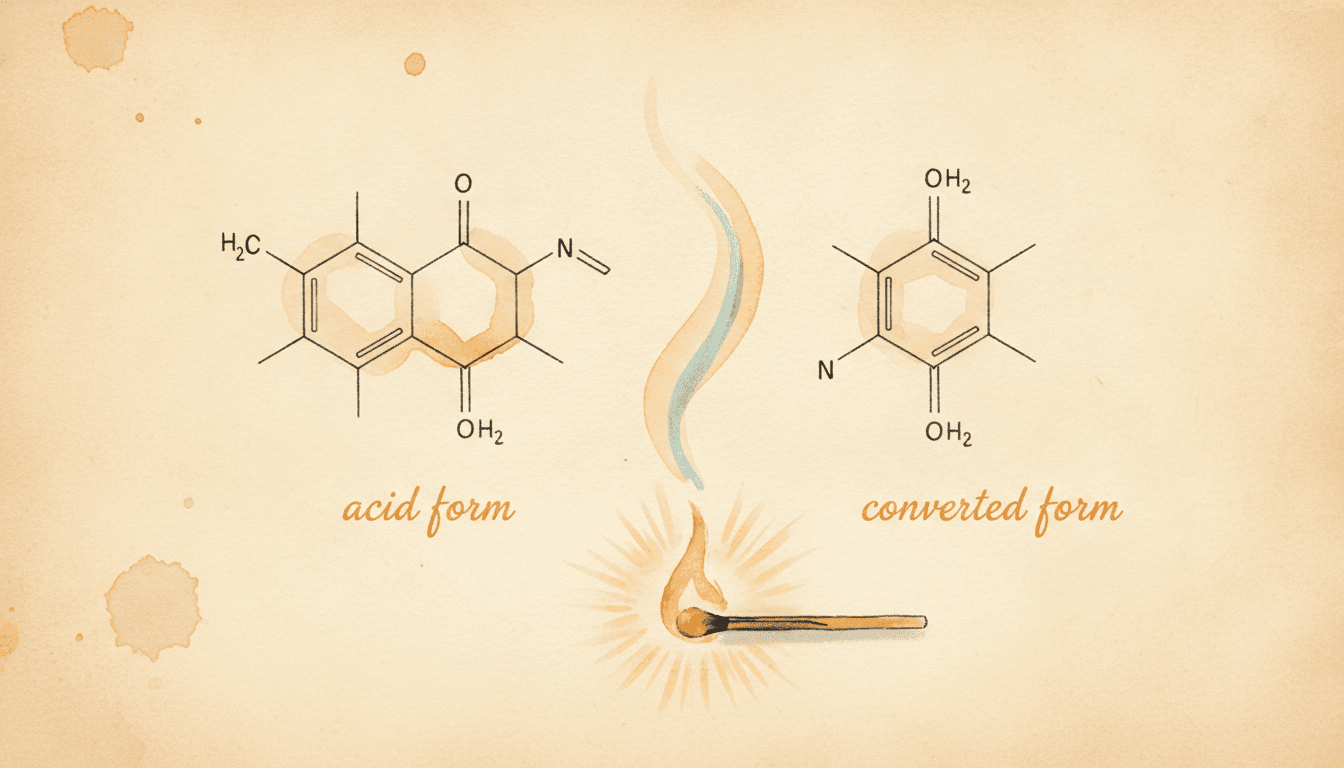
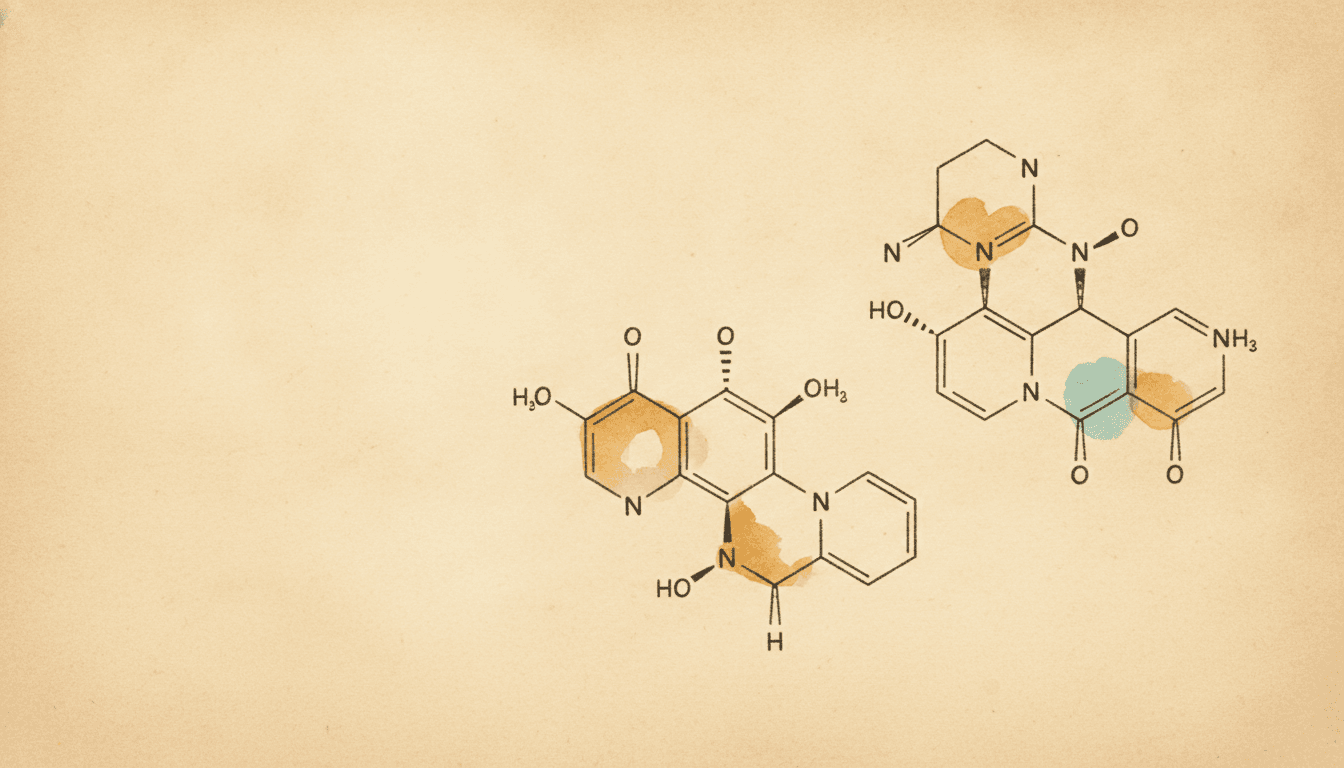
Delta-8 and delta-9 THC are nearly identical structurally. Both are built on the same carbon-ring backbone. The difference is the position of one carbon-carbon double bond: delta-9 has it on the ninth carbon in the chain, delta-8 has it on the eighth.
That single-position shift changes how each molecule fits into your endocannabinoid system's CB1 receptors, which is why the two produce a similar but distinguishable effect. Users commonly describe delta-8 as a milder, clearer, less anxious high compared to delta-9. That's a real, physiologically plausible difference, not just marketing language. But it's also not a controlled comparison in practice, since delta-8 products vary enormously in actual potency and purity depending on who made them, which makes any "delta-8 is gentler" generalization shakier than it sounds.
Why Delta-8 Is Legal (Sort Of): The Same Loophole as THCA
If you've read our THCA vs. THC piece, this will sound familiar, because it's the same legal gap.
The 2018 Farm Bill defines legal hemp as cannabis with 0.3% or less delta-9 THC by dry weight. Read narrowly, that threshold says nothing about delta-8. So a product can be synthesized to be substantially delta-8-THC and still qualify as "hemp" under federal law, as long as its delta-9 content stays under the line, even though delta-8 gets you high in a way indistinguishable to most users from delta-9. That's the loophole. It's the same structural gap we cover in our cannabis vs. hemp guide, just applied to a different cannabinoid.
The consequence is a national patchwork. A growing number of states have moved to ban or tightly restrict delta-8 specifically because of this gap, while it remains sold openly online, in gas stations, and in smoke shops elsewhere, often with none of the licensing, testing, or age-verification requirements a state-licensed cannabis dispensary has to meet.
The Real Safety Concern Isn't the Molecule, It's the Manufacturing
Delta-8 itself, as a molecule, isn't inherently more dangerous than delta-9. The risk sits in how inconsistently it gets made and sold.
The FDA has published specific concerns about the delta-8 market: the isomerization process that converts CBD into delta-8 can leave behind unknown reaction byproducts and residual solvents that aren't present in plant-derived delta-9, and because most delta-8 products aren't required to be lab tested the way licensed cannabis is, those byproducts often go unchecked. The agency's own adverse event data backs this up: between December 2020 and February 2022, the FDA received 104 adverse event reports involving delta-8 products, and 55% of those required medical evaluation or hospital admission. Poison control centers logged more than 2,300 delta-8 exposure cases in a similar window, 41% of them involving people under 18, often tied to packaging that looked like ordinary candy or snacks.
None of that means every delta-8 product on the market is contaminated or dangerous. It means the category carries meaningfully less quality assurance than delta-9 products sold through a licensed dispensary, where batch testing for potency, pesticides, heavy metals, and residual solvents is a legal requirement, not an option a seller can skip.
Delta-8 vs. Delta-9: The Comparison
| Delta-8 THC | Delta-9 THC | |
|---|---|---|
| Natural abundance in plant | Trace amounts | Dominant cannabinoid |
| How it's produced commercially | Synthesized/isomerized from hemp CBD | Bred and extracted directly from cannabis |
| Where it's sold | Online, gas stations, smoke shops (state-dependent) | Licensed dispensaries |
| Mandatory lab testing | Inconsistent, often none | Required by state law |
| Reported effect | Often described as milder, clearer | The standard cannabis high |
| Legal status | Patchwork; banned in some states, unregulated in others | Regulated cannabis in legal states |
| COA availability | Rare | Standard, batch-specific |
What to Actually Do With This
If you want delta-9 THC, the product cannabis is actually built around, buy it from a licensed dispensary where testing isn't optional. If you're curious about delta-8 specifically, at minimum look for a batch-specific COA showing both potency and a full contaminant panel (residual solvents especially, given how it's made), and treat "hemp-derived" marketing language as a legal category, not a safety claim. It isn't automatically cleaner or gentler just because it says hemp on the label.
What We Do at Halara
Halara doesn't make delta-8 products. Everything we sell, our high-THC AIOs, Resin Sauce, and solventless rosin lines, is delta-9 THC, sold through licensed dispensaries in California, Washington, and New York, with a batch-specific COA published for every product. We're a California vape brand built around smooth, high-THC all-in-one vapes with anti-clog hardware, and that positioning only works if what's on the COA matches what's actually in the cart. You can check any batch before you buy.
Frequently Asked Questions
What is the difference between delta-8 and delta-9 THC?
They're both intoxicating cannabinoids with nearly identical molecular structures, differing only in where a double bond sits on the carbon chain. Delta-9 THC is what cannabis plants naturally produce in large quantities and what licensed dispensary products contain. Delta-8 THC occurs in only trace amounts naturally, so almost all commercial delta-8 is synthesized in a lab from hemp-derived CBD, then sold with far less regulation than delta-9 products go through.
Is delta-8 weaker than delta-9?
Many users report a milder, less anxious high from delta-8, though it varies by product and person since delta-8 potency and purity are wildly inconsistent across the unregulated market. The bigger issue isn't strength, it's that you often don't know exactly what you're getting, since most delta-8 products aren't tested to the standard licensed dispensary products are.
Is delta-8 THC safe?
The FDA has flagged real safety concerns. Between December 2020 and February 2022, the agency received 104 adverse event reports tied to delta-8 products, 55% of which required medical intervention or hospitalization, plus over 2,300 poison control exposure cases in a similar window, 41% involving minors. The concerns center on inconsistent labeling, unknown reaction byproducts from the conversion process, and products that appeal to and reach children.
Why is delta-8 legal if it gets you high?
The same 2018 Farm Bill loophole that affects THCA flower applies here: the federal hemp threshold only counts delta-9 THC at 0.3% or less by dry weight, so delta-8 synthesized from hemp-derived CBD can be sold as "hemp" in states that haven't specifically banned it, despite being just as intoxicating as delta-9. A growing number of states have banned or restricted delta-8 specifically because of this gap.
Is delta-9 THC from a licensed dispensary safer than delta-8?
In terms of regulatory oversight, yes. Delta-9 THC products sold through licensed dispensaries in states like California, Washington, and New York are required to pass batch testing for potency, pesticides, heavy metals, and residual solvents, with a published COA. Most delta-8 sold online or in unlicensed stores has no such requirement, so the actual product inside the package is a much bigger unknown.
Where can I buy tested delta-9 THC products?
Halara's high-THC AIOs and Resin Sauce carts are delta-9 THC products sold through 300+ licensed dispensaries in California, Washington, and New York, with a batch-specific COA for every product. Use our store locator to find one near you.
The Bottom Line
Delta-8 and delta-9 THC are one double bond apart chemically, and a regulatory chasm apart in practice. Delta-9 is what cannabis naturally makes and what a licensed, tested market is built around. Delta-8 is a lab-synthesized workaround sold through a federal loophole, with real, documented safety gaps that come from inconsistent manufacturing and inconsistent testing, not from the molecule itself being uniquely dangerous. If regulation and a published COA matter to you, and they should, that's the actual deciding factor, more than which number is in the name.
Sources
- FDA: 5 Things to Know about Delta-8 Tetrahydrocannabinol — official FDA consumer update, adverse event and poison control data.
- FDA: Adverse Event Reports Involving Delta-8 THC Products — underlying FDA adverse event dataset.
- THCA vs. THC — the related Farm Bill loophole as it applies to raw THCA flower.
- Cannabis vs. Hemp — the legal line between hemp and cannabis.
- Halara Lab Results — batch-specific COAs for every Halara product.
Want more cannabis intel?
Join The Dealers Diary — weekly strain spotlights, industry news, and insider access.
Subscribe Free