What Is Rosin? A Solventless Guide for People Who Give a Damn

What Is Rosin?
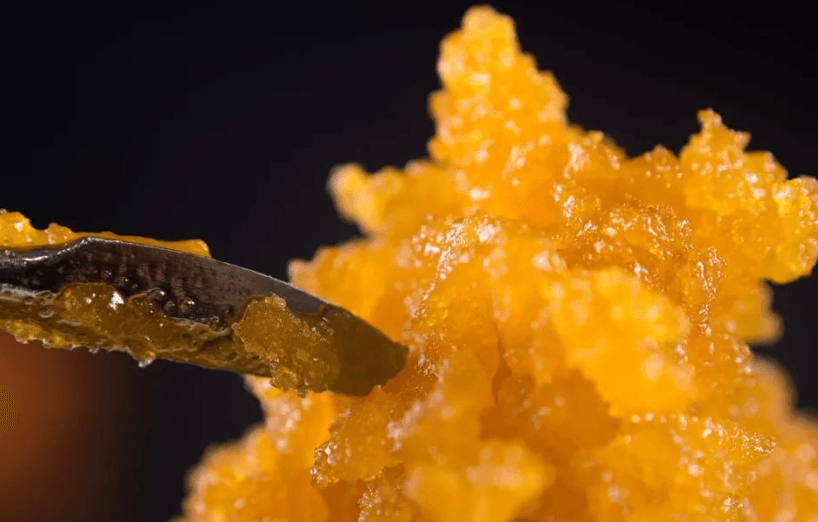
Rosin is a cannabis concentrate made with no solvents at all: no butane, propane, CO₂, or ethanol, just heat and pressure applied to cannabis until the cannabinoids and terpenes squeeze out. It's the simplest concentrate in cannabis.
Someone asked Nick to explain rosin once and he said: "You squeeze weed really hard and collect what comes out." That's reductive, but it's not wrong. The concept is so simple that people were making it with hair straighteners and parchment paper back in 2015. Seriously. There are YouTube videos.
The commercial version is more precise, but the principle hasn't changed. That simplicity is the whole appeal.
The Types (and They're Not All Equal)
Not all rosin is the same. The input material changes everything about the output.
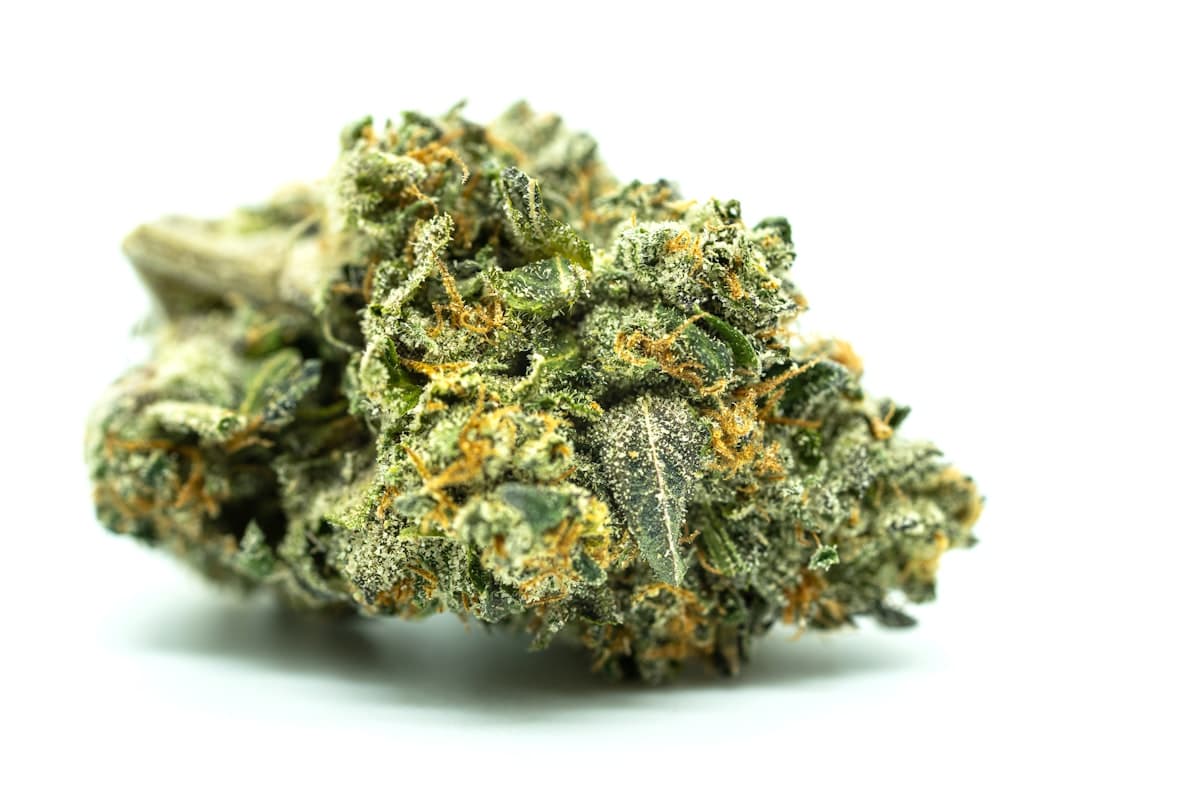
Flower rosin is the entry level. You take dried, cured cannabis flower, press it between heated plates, and collect what squeezes out. It works. The flavor is decent. But you're starting with material that's already lost a significant chunk of its terpene content during drying.
Hash rosin is where things get interesting. Instead of pressing flower directly, you first make bubble hash (ice water extraction, which I'll get into in another piece), then press that hash. The result is cleaner, more potent, and more flavorful because you've already separated the trichome heads from the plant material before pressing. Less lipids, less chlorophyll, more of what you actually want.
Live rosin is hash rosin made from fresh-frozen starting material. Same concept as live resin, the "live" means the plant was flash-frozen at harvest to preserve terpenes. Fresh-frozen to bubble hash to rosin press. It's the most labor-intensive concentrate you can make, and the price reflects that.
Here's the quality ladder: flower rosin < hash rosin < live rosin. Each step up means more work, lower yields, and a cleaner final product.
The Distinction Most People Miss
Here's the thing nobody talks about: "rosin" has two completely different meanings depending on context.
In cannabis, rosin is the solventless concentrate we've been discussing. In every other industry, "rosin" (sometimes called "food-grade rosin") is a solid form of resin derived from pine trees. It's used in adhesives, printing inks, violin bows, and industrial coatings. The FDA classifies certain grades as food-safe for use in chewing gum base and coatings.
These are entirely different substances. Pine rosin is a processed tree sap. Cannabis rosin is a pressed plant extract. They share a name and essentially nothing else.
Why does this matter? Because you'll occasionally see "rosin" on product labels in ways that are deliberately vague. If a vape cart says "rosin" without specifying "hash rosin" or "solventless," it's worth asking what exactly is in there. The word alone doesn't tell you much.
Why Solventless Appeals to Certain Consumers
I want to be honest about this: properly purged hydrocarbon extracts are safe. California's testing requirements are strict, and residual solvent levels in licensed products are well below any health concern threshold. Nick, who makes both solventless and hydrocarbon extracts, will tell you this directly.
That said, there's a growing segment of consumers, many of them older or health-conscious, who simply prefer knowing that no solvent touched their concentrate at any point in the process. That's a valid preference. It's not about fear, it's about choice.
The other appeal is flavor. Solventless extraction preserves a slightly different terpene fraction than hydrocarbon extraction. Some people prefer the rosin profile. Some prefer resin sauce. Nick's take: "They're different instruments playing the same song. Neither is objectively better. But some strains sing louder through one process than the other."
What to Look for on a Label
If you're shopping for rosin products, here's what actually matters:
| Label claim | What it should mean | Red flag if... |
|---|---|---|
| Hash rosin | Made from bubble hash, then pressed | No COA showing solventless process |
| Live rosin | Fresh-frozen input, ice water hash, pressed | Priced the same as distillate (too cheap) |
| Solventless | No solvents used at any stage | Combined with "botanical terpenes" (why add them?) |
| Rosin (unqualified) | Could be anything | No specifics on input material |
The simplest test: check the COA. A legitimate solventless product will show non-detect or near-zero on the residual solvents panel, not because solvents were purged out, but because they were never introduced.
Where Rosin Fits
Rosin occupies a specific lane in concentrates. It's not trying to be the most potent (distillate wins there) or the most terpene-forward (resin sauce gives it competition). What rosin offers is simplicity and purity in the most literal sense.
For a deeper comparison of how rosin stacks up against other concentrate types, we wrote a full breakdown here.
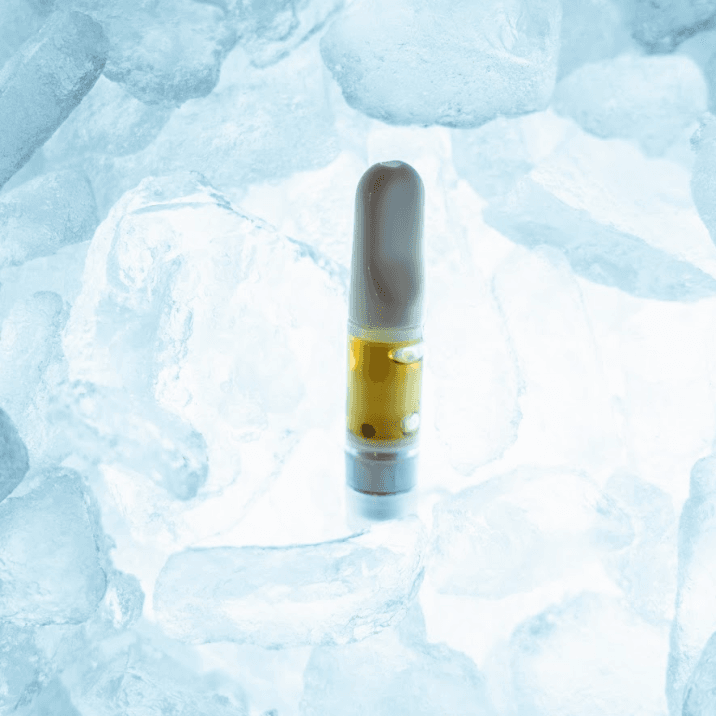
If you're curious about what solventless rosin actually looks like in a vape cart, and why that's harder than it sounds, that's the next piece in this series.
Frequently Asked Questions
What is rosin?
Rosin is a cannabis concentrate made with no solvents at all — just heat and pressure applied to cannabis until the cannabinoids and terpenes squeeze out. No butane, propane, CO₂, or ethanol touches it at any point, which is what makes it "solventless."
Is rosin the same as resin?
No, even though the names are almost identical. Rosin is solventless — made with only heat and pressure. Resin (as in live resin) is made using hydrocarbon solvents like butane to pull the oil from the plant. Same goal, different process, and the one-letter difference trips up a lot of people at the dispensary counter.
Why is rosin more expensive than distillate?
Lower yields and more labor. Solventless extraction pulls less oil out of the same amount of flower, and the best rosin (hash rosin and live rosin) takes extra steps like ice-water hash washing before it's even pressed. You're paying for a cleaner process and a smaller output, not marketing.
Is all rosin solventless?
By definition, yes — real rosin uses only heat and pressure. The catch is labeling: if a vape cart says "rosin" without specifying "hash rosin" or "solventless," or if the ingredients list anything beyond the rosin itself, it's worth asking what's actually in there. Check the COA — a true solventless product shows non-detect on residual solvents because none were ever used.
Try It Yourself
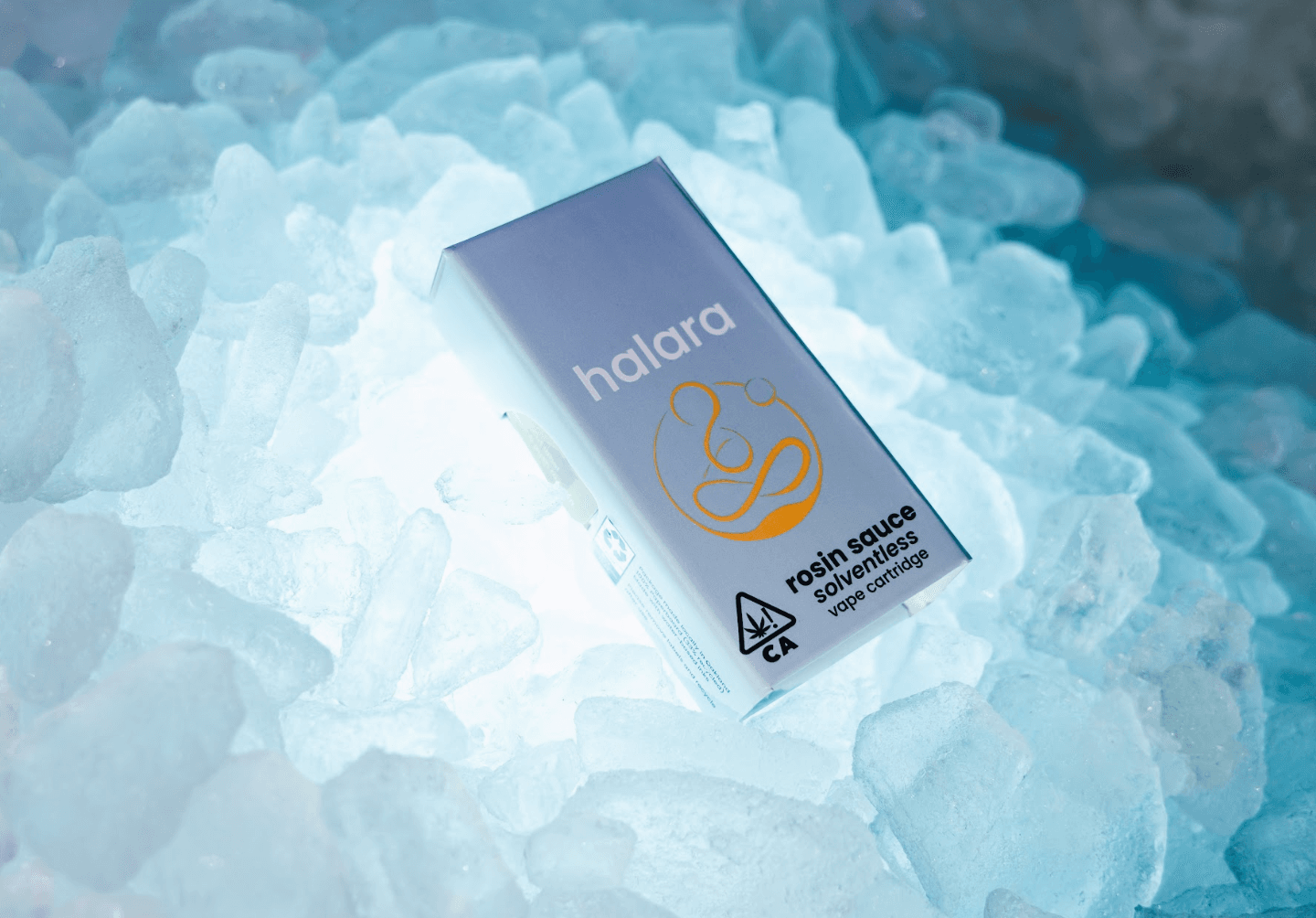
We make a solventless line if you want to try it yourself. Every batch has a scannable COA on the box, and you can find Halara at a dispensary near you in California, Washington, and New York.
Want more cannabis intel?
Join The Dealers Diary — weekly strain spotlights, industry news, and insider access.
Subscribe Free