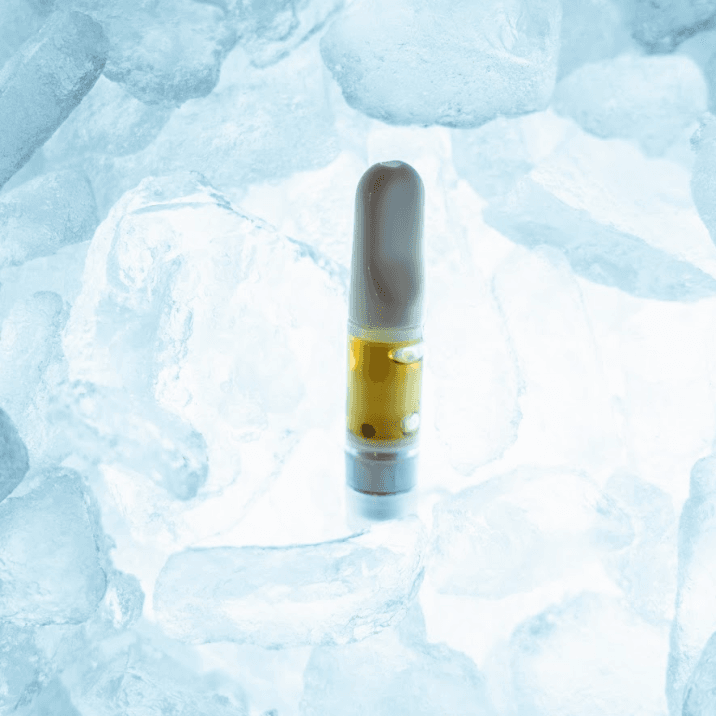
Resin Sauce vs. Live Resin vs. Rosin: What's the Difference?
Three Names, One Goal
I get this question constantly. Someone's standing in a dispensary, staring at three jars that all look roughly the same, and the budtender gives them a slightly different answer every time.
Resin sauce, live resin, rosin. Three names, three processes, one goal: preserve the terpenes that make cannabis actually taste like something.
Here's how they're different, and honestly, why it matters less than you'd think.
The Quick Comparison
| Resin Sauce | Live Resin | Rosin | |
|---|---|---|---|
| Input material | Fresh-frozen whole plant | Fresh-frozen whole plant | Fresh-frozen or cured flower |
| Extraction | Hydrocarbon with diamond separation | Hydrocarbon (BHO/PHO) | Solventless (heat + pressure) |
| Solvent | Butane or propane | Butane or propane | None |
| Texture | THCA diamonds in terpene liquid | Sticky, saucy, or sugary | Waxy, buttery, or sappy |
| Terpene retention | Very high | High | High (temp dependent) |
| Typical THC | 70-90% | 65-85% | 60-80% |
| Price | Premium | Mid-premium | Premium to ultra-premium |
If tables aren't your thing, keep reading. I'll break each one down.
Live Resin: Where It All Starts
The "live" part is the whole story. It means the starting material was fresh-frozen cannabis, plants that got flash-frozen right after harvest instead of dried and cured the traditional way.
Why does that matter? Drying degrades terpenes. Up to 55% of a plant's terpene content can disappear during the drying process (depending on who you ask and which study you're reading). Freezing locks them in.
The extraction itself uses cold hydrocarbon solvent, usually butane, sometimes propane or a mix. Solvent strips the good stuff off the plant material, then gets purged out through vacuum processing. What's left is the concentrate.
The texture varies a lot. Some live resin comes out saucy and viscous, some is more crystalline and sugary. That depends on the strain, extraction parameters, and how it's handled after. But the defining feature is always the same: it tastes like the actual plant it came from, not like a flavor somebody added later.
Resin Sauce: Live Resin's Louder Sibling
Here's where it gets interesting.
Resin sauce starts the same way as live resin. Same fresh-frozen plant, same hydrocarbon extraction. But then there's an extra step that changes everything.
After extraction, the concentrate is allowed to naturally separate. THCA crystallizes into what the industry calls "diamonds", and the terpene-rich liquid (the "sauce") pools around them. You end up with these chunky crystals swimming in this incredibly aromatic liquid.
That separation is the key. By letting the terpenes concentrate into their own fraction, resin sauce often delivers the most intense flavor of the three. It's not subtle.
Quick note on naming: "sauce" in the cannabis world means THCA diamonds suspended in terpene-rich liquid. It's been a standard industry term for years, you'll find it defined on Weedmaps, Leafly, pretty much any cannabis glossary. "Resin sauce" specifically means that sauce was made from live resin, fresh-frozen input rather than cured.
Rosin: The Solventless Option
Rosin is the odd one out, and that's part of its appeal.
No butane. No propane. No solvent at all. Just heat and pressure.
Cannabis flower or hash goes between heated plates, gets pressed, and the cannabinoids and terpenes squeeze out. People have been making it with hair straighteners since the early 2010s (seriously), but commercial production uses industrial presses with precise temperature and pressure controls.
The distinction you'll hear most: live rosin vs. regular rosin. If the input is fresh-frozen material (usually processed into bubble hash first, then pressed), it's live rosin. If it's cured flower, it's just rosin. Live rosin commands the highest prices in the market because you're getting solventless extraction combined with the terpene preservation of fresh-frozen starting material.
The tradeoff? Lower yields and higher prices. That's the math. Solventless extraction just doesn't pull as much product from the same amount of input material, which means you're paying more per gram.
So Which One Should You Actually Buy?
Part of me wants to say "just try all three and see what you like," because that's honestly the real answer. But here's a more useful framework:
Go with live resin if you want better flavor than distillate without paying ultra-premium prices. For most people upgrading from distillate carts, live resin is the sweet spot. Noticeable quality jump, reasonable price.
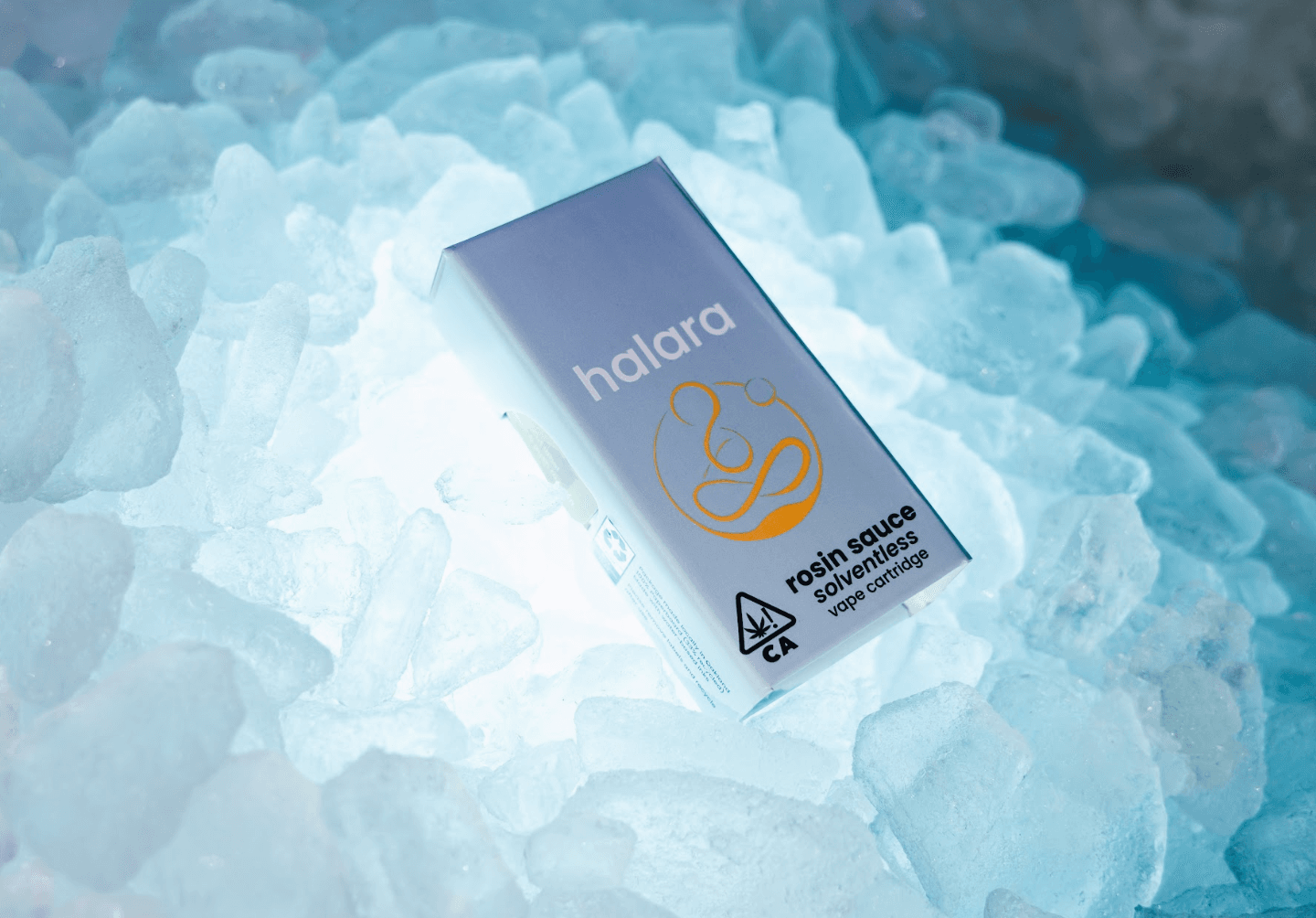
Go with resin sauce if you're chasing maximum terpene intensity. The diamond-and-sauce format delivers both potency and flavor in a way that's hard to beat. It's what we chose for our cart line (more on that in a second).
Go with rosin if solventless matters to you. Whether that's a personal preference or a philosophical stance about extraction, rosin delivers without any solvent in the equation. You'll pay for it, but some people think the premium is worth it.
What We Make and Why
I should be transparent here. Our Resin Sauce line uses fresh-frozen whole-plant material and cannabis-derived terpenes only. We publish full COAs for every batch. We chose the resin sauce format because we think the diamond-and-terp-sauce combination delivers the best balance of flavor and potency for cartridges.
That said, if you prefer rosin, go get rosin. If live resin hits right for you at a better price point, that's a perfectly good call. There's no wrong answer, just different priorities.
The important thing is knowing what you're buying. Now you do.
Frequently Asked Questions
What's the difference between resin sauce and rosin?
Resin sauce is hydrocarbon-extracted from fresh-frozen flower, then separated into THCA diamonds floating in terpene-rich liquid. Rosin uses no solvent at all — just heat and pressure to squeeze the oil out. Both preserve the plant's native terpenes; the dividing line is solvent vs. solventless.
What's the difference between live resin and rosin?
Live resin is made by running cold butane or propane through fresh-frozen cannabis to strip out the cannabinoids and terpenes. Rosin skips solvent entirely and presses the oil out with heat and pressure. Same goal — keep the terpenes — but live resin is hydrocarbon extraction and rosin is solventless.
Is resin sauce the same as live resin?
Almost. Resin sauce starts identically — fresh-frozen plant, hydrocarbon extraction — but adds a separation step where THCA crystallizes into diamonds and the terpenes pool around them as sauce. So resin sauce is live resin that's been allowed to separate into diamonds and terp liquid, which usually makes the flavor more intense.
Is rosin better than live resin?
Not better, just made differently. Rosin is solventless and live resin is hydrocarbon-extracted, and both can taste excellent. Rosin appeals if you specifically want no solvent in the equation, but you'll pay more per gram because solventless yields less. For most people upgrading from distillate, live resin is the better value.
What's the difference between live rosin and regular rosin?
It comes down to the input. Live rosin is pressed from fresh-frozen material (usually turned into bubble hash first), so it keeps more terpenes. Regular rosin is pressed from cured flower. Both are solventless, but live rosin commands the highest prices because it pairs solventless extraction with fresh-frozen terpene preservation.
Related Strains
Want more cannabis intel?
Join The Dealers Diary — weekly strain spotlights, industry news, and insider access.
Subscribe Free