Nick's Strain Selection Process (Or: Why We Say No to 90% of Flower)
We Turn Down More Flower Than We Accept
Here's a number that surprises people: roughly 90% of the flower offered to us gets rejected.
Not because it's bad weed. Some of it's perfectly good cannabis that would sell fine on a dispensary shelf. But "good flower" and "good extraction input" aren't the same thing. A strain can be gorgeous in a jar, test at 30% THC, smell incredible at room temperature, and completely fall apart when you run it through a hydrocarbon extractor and put it in a cartridge.
Nick is the one making those calls. He's evaluated thousands of cultivars over the years and has developed an almost irritating ability to smell a batch of fresh-frozen material and tell you whether it's going to extract well before it hits the column. I say "almost irritating" because he's right often enough that arguing with him is mostly a waste of time.
This is what he looks for, what he rejects, and why the strain on your cart label matters more than most people realize.
What Makes a Strain Extract Well
The first thing Nick evaluates isn't THC. It's terpene yield.
"I can have two strains, both testing at 28% THC. One gives me a 12% terpene yield on the extract, the other gives me 4%. The first one makes a cart that tastes like the actual plant. The second one tastes like warm nothing."
Terpene yield is a function of genetics, grow conditions, and harvest timing. Some strains are just terpene cannons — they produce massive quantities of aromatic compounds that survive extraction beautifully. Others are one-note: maybe they have a strong nose on the flower, but it's dominated by a single volatile monoterpene that degrades the second you apply heat through a ceramic element.
Strains that extract beautifully (Nick's short list):
- GMO — "The garlic-mushroom-onion nose carries through extraction like nothing else. High myrcene, high caryophyllene, and it just translates. Every single batch."
- Papaya — "Tropical, funky, distinctive. The terpene profile is so loud that even at lower concentrations it pushes through the hardware."
- Trainwreck — "Pine and lemon that actually survive the heating element. A lot of piney strains fall flat in a cart. Trainwreck doesn't."
- Hella Jelly — "This one surprised me. The fruity profile is complex enough that it doesn't taste artificial the way some fruit-forward strains can."
Strains that don't translate as well to carts (and why):
Some cultivars that are incredible as flower just don't work in a cartridge format. Nick's seen it over and over:
- Strains dominated by a single volatile monoterpene: "If 80% of the nose is one light terpene, it's going to thin out in a cart. You need complexity. You need the heavier sesquiterpenes to anchor the profile so there's something left after the light stuff burns off on the first few hits."
- Strains with narrow terpene profiles that read as "artificial" when concentrated: "Some of the exotic crosses with candy/dessert names — they taste great at 2% terpene content in flower form. Concentrate that to 8-12% in an extract and suddenly it tastes like a candle. Not in a good way."
- Strains that yield low terpene percentages regardless of input quality: "Some genetics just don't produce enough terps to make a flavorful cart without supplementing. And I'm not supplementing."
That last point is key. Nick won't add terpenes from external sources to hit a flavor target. What comes out of the extraction is what goes in the cart. If a strain doesn't produce enough terps on its own, it doesn't make the lineup. Period.
The Sourcing Game
We source from farms across California. Some relationships are years old. Some are new. The constant is that Nick evaluates every single batch before we commit.
Here's what he's looking at:
The nose. Before any lab data comes back, Nick smells the fresh-frozen material. "You can tell immediately whether the terpenes are there. If I open the bag and it doesn't hit me in the face, the numbers on the COA aren't going to save it."
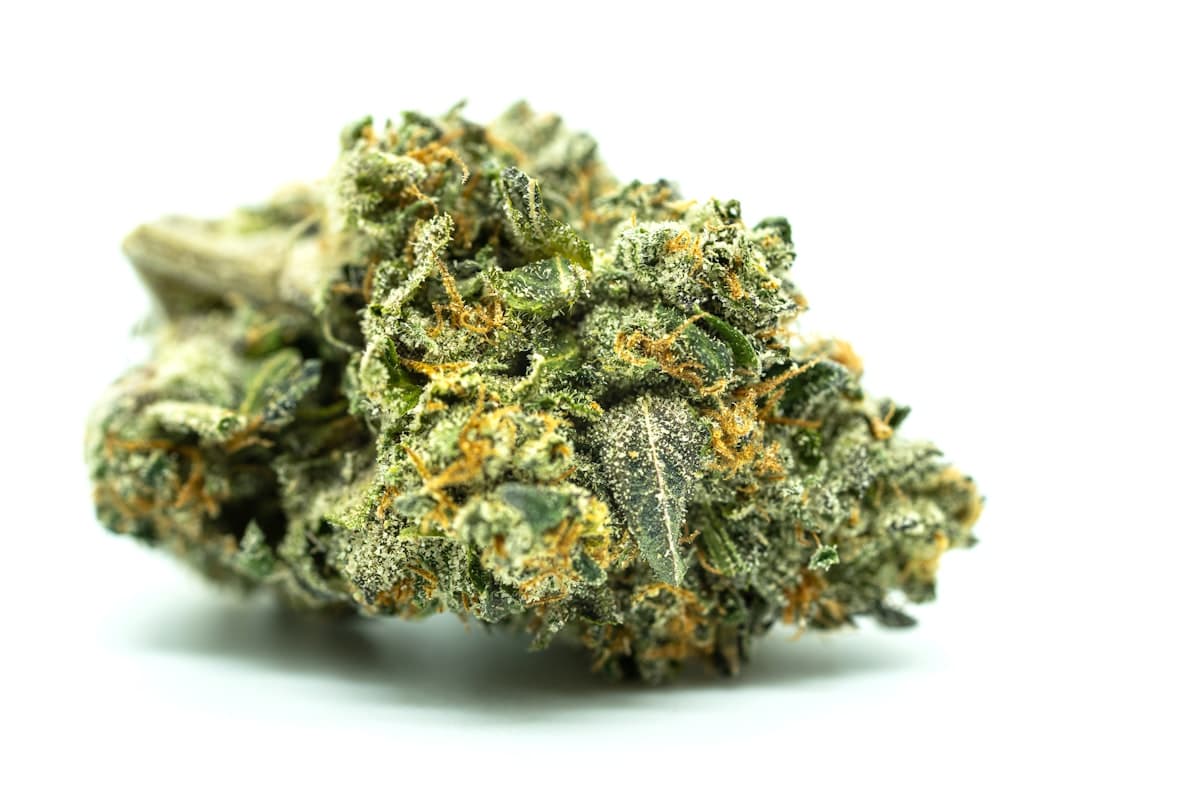
Trichome coverage. Dense trichomes mean more surface area covered in cannabinoid and terpene-producing glands. Nick looks at it under magnification. If the trichome heads are intact and milky, the material was handled well. If they're broken or clear, something went wrong during harvest or freezing.
Moisture and handling. Fresh-frozen material should be exactly that — frozen solid, not partially thawed and refrozen. Ice crystal damage from poor cold-chain management degrades trichomes and causes cell wall rupture that introduces chlorophyll and plant lipids into the extract. Nick has rejected entire harvests from growers who lost power to their freezers for 48 hours and thought nobody would notice.
The grower's process. We need partners who flash-freeze within hours of harvest, maintain -40°F or colder, and handle their material gently. That narrows the field significantly. A lot of growers are set up for drying and curing. Fresh-frozen requires different infrastructure and a different mindset. The growers who do it well tend to be obsessive about it.
Single-source consistency. When possible, we prefer single-farm, single-harvest batches. Mixing material from multiple sources averages out the terpene profile — you lose the peaks and valleys that make a strain distinctive. A Papaya from one farm in Humboldt tastes different from a Papaya grown in the Salinas Valley. That's not a problem to solve, it's a feature to preserve.
Blending: The Part Nobody Talks About
This is where artisan extraction separates from factory extraction, and almost nobody in the industry talks about it publicly.
Most of the big-volume cart brands fill at a fixed ratio: X% distillate or extract, Y% terpene fraction, done. Same formula for every strain, every batch. It's efficient. It's consistent in the way that McDonald's is consistent — you know what you're getting, and what you're getting is fine.
Nick doesn't work that way.
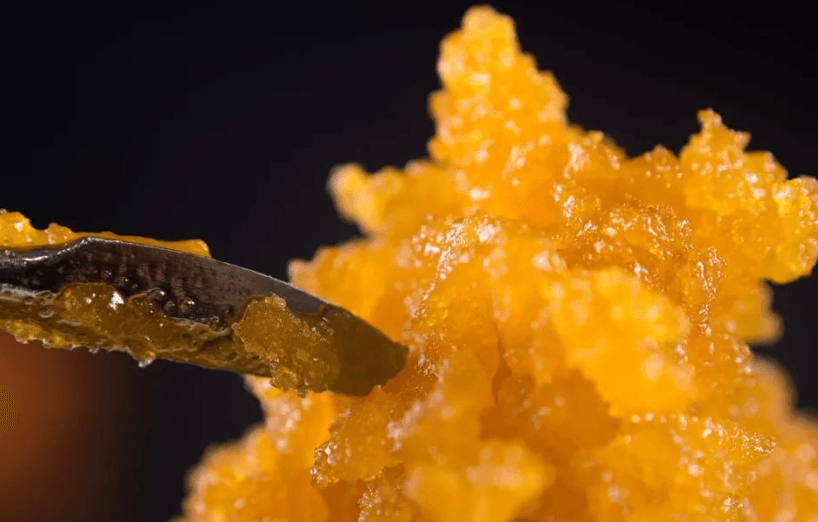
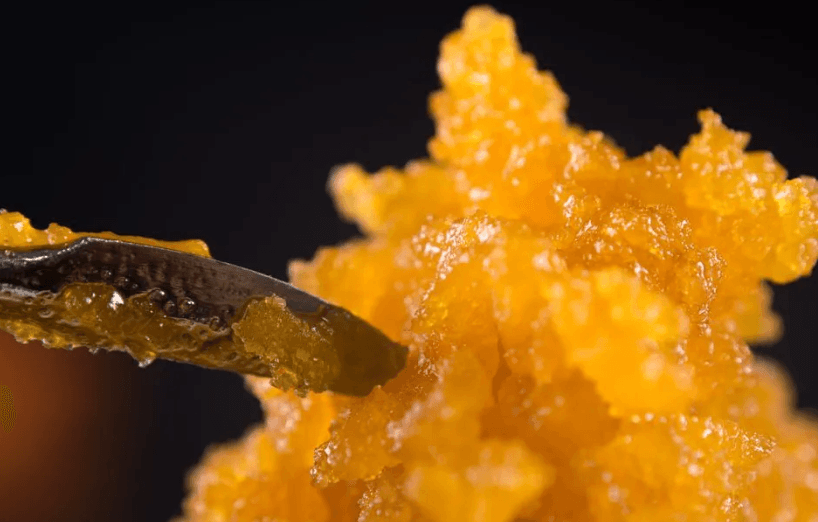
Every strain gets its own blending approach. After diamond separation, he's got two fractions: the THCA crystals and the terpene-rich sauce. How he recombines them depends on what the strain needs.
"GMO has such a loud terpene fraction that I can run a higher diamond ratio and it still tastes like GMO. Gives you more potency without sacrificing the nose. But something like Blue Dream has a more delicate, balanced profile. Push the diamonds too high and you flatten it. Blue Dream needs more sauce to be Blue Dream."
He tests in small batches. Fills a handful of carts at different ratios, smokes them, adjusts. It's not a single-pass process.
The flavor isn't the only variable. Throat feel matters — too much terpene concentration and the hit gets harsh, especially on sesquiterpene-heavy strains. Cloud production matters — consumers expect visible vapor, and some blends produce thinner clouds at certain ratios. Even the way the oil wicks through the ceramic element changes depending on viscosity, which is a function of the blend.
When Nick Blends
Some strains in the lineup — Banana Mochi Funk, Cadillac Lemonade, Horchata Gelato, Lime Sherbet Z, Hella Jesus — get a secondary terpene fraction blended in from a complementary extraction run to amplify or round out the profile. Still all cannabis-derived, still from Halara's own extractions. Not buying terpenes from a catalog.
"It's like blending wine. You have a Cabernet that's 95% there, and you add 5% Merlot to soften the tannins. Same idea. Lime Sherbet Z has a bright citrus profile that benefits from a little extra body. So I blend in a sauce fraction that brings some caryophyllene to anchor it."
Most of the lineup is straight single-strain resin sauce. But for profiles where blending makes the cart better, Nick does it.
The Ones That Got Away
I asked Nick about strains he wanted to make work but couldn't.
He went quiet for a second, which means there's a list.
"There's a Zkittlez phenotype I ran six times. Incredible flower — the nose was insane, everyone who smelled the fresh-frozen material said the same thing. But every time I extracted it, the profile shifted. What made it special on the plant didn't survive the column. I tried different solvent blends, different temperatures, shorter soak times. Six batches. Never got it right."
"There's a Gelato cross that tested at 4% total terpenes in flower form — which is exceptional. Extracted it, got a 2% terpene yield. Where did the other 2% go? Some of it degraded in extraction, some of it is bound up in compounds that don't transfer to hydrocarbon solvent. The flower was incredible. The cart was mid."
"And there's a proprietary strain from a grower in Mendocino that I'm not going to name because I'm still trying to make it work. The nose is unlike anything I've run. But it produces these massive THCA crystals during separation that won't re-dissolve properly into the sauce. The texture is wrong for cart fill. I could force it, but forcing things is how you end up with a product you're not proud of."
Every extractor has a list like this. The ones who tell you they've never failed are the ones you shouldn't trust.
What's on the Roster Now
The current Resin Sauce lineup runs over 30 strains — everything from classics like Granddaddy Purple, Trainwreck, and Blue Dream to newer profiles like Hella Jelly, Londoncello, and Tropicanna Banana.
The Solventless Rosin line is separate — 13 strains, completely different extraction process (ice water hash, pressed, no solvents). If solventless is your thing, that exists too.
Nick's constantly evaluating new cultivars. The roster isn't static — strains rotate in when he finds something that extracts well, and rotate out when the sourcing quality drops or the demand isn't there to justify the batch size.
If you've got a strain you want to see in the lineup, we actually want to hear it. Not a marketing line — Nick genuinely tracks what people ask for and it influences what he sources next. The classics stay because people ask for them by name. The newer additions earn their spot by being good enough that people ask for them again.
For the full breakdown of how these carts get made once Nick selects the flower, read How Resin Sauce Carts Are Actually Made. For why the terpenes Nick obsesses over actually matter for your experience, check the terpene guide.
Related Strains
Lemon and pine hybrid. Uplifted, energetic, and creative.
Pungent garlic and mushroom indica. Deeply relaxing and sedating.
Tropical papaya indica. Relaxed, calm, and sleepy.
Grapes and lavender indica. Deeply relaxed, sleepy, and euphoric.
Berry and creamy sativa. The California classic — euphoric, relaxed, creative.
Fruity and tangy sativa. Uplifted, happy, and energetic.
Want more cannabis intel?
Join The Dealers Diary — weekly strain spotlights, industry news, and insider access.
Subscribe Free